

If your morning coffee comes with a side of heartburn, an uneasy stomach, or that mid-morning churn, you’re not imagining it — and you’re definitely not alone. For millions of people who love coffee, acidity is the catch. The good news: the problem usually isn’t coffee itself. It’s how the coffee was grown, roasted, and brewed. That’s where low-acid coffee comes in.
Why does coffee upset some stomachs?
Regular brewed coffee is mildly acidic, typically landing around a pH of 4 to 5. That acidity is part of what gives coffee its brightness — but it can also irritate a sensitive stomach and relax the valve at the top of the stomach, which is associated with acid reflux. For some people, that translates to discomfort, especially on an empty stomach.
Low-acid coffee is simply coffee with a higher (gentler) pH — often closer to 6, roughly in the range of black tea. The flavor stays bold; the harsh edge comes down.
What actually makes a coffee low-acid?
A few factors stack together:
- Bean origin. Beans grown at lower altitudes and in regions like Brazil and Indonesia tend to be naturally lower in acidity.
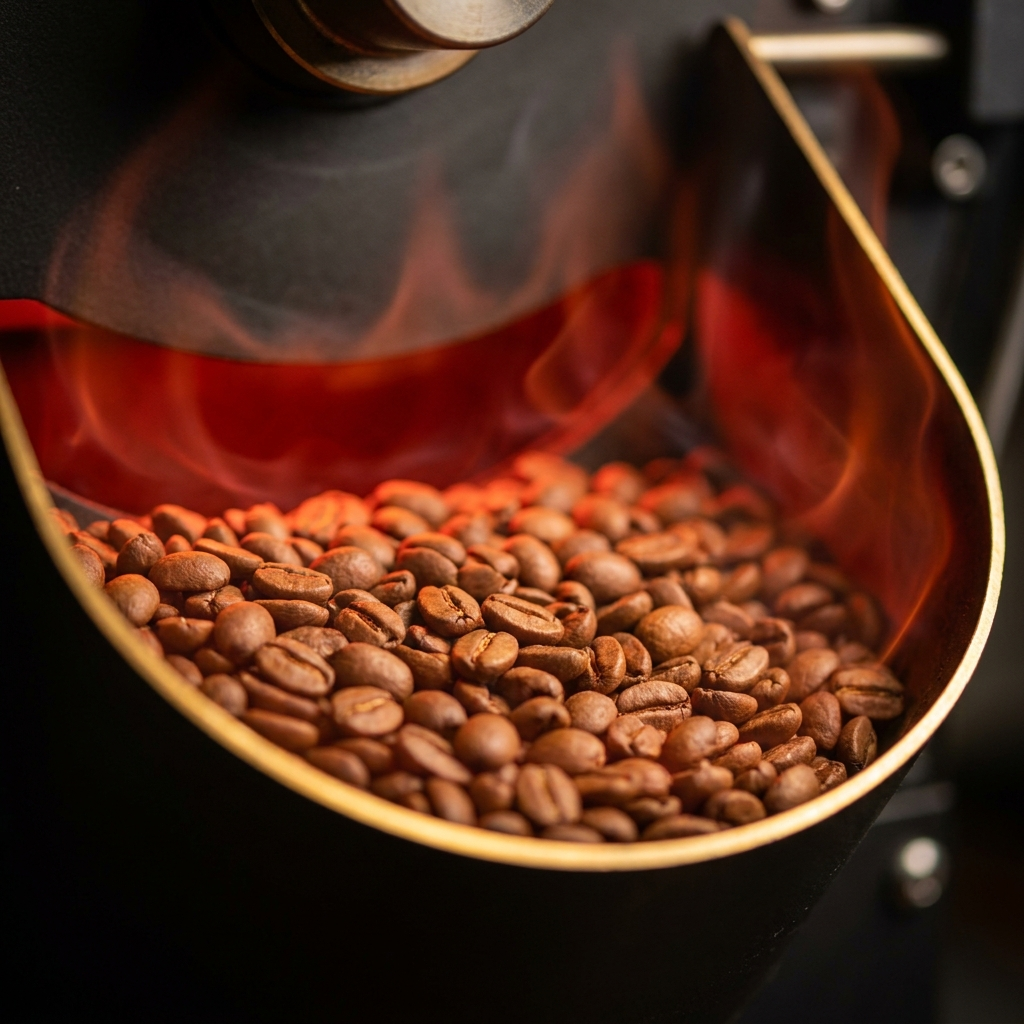
- Roast approach. How beans are roasted has a big effect on the final acidity and smoothness of the cup.
- Brew method. Hotter, faster brewing extracts more acids; gentler methods (and cold brew) pull fewer.
The benefits of switching to low-acid coffee
- Gentler on a sensitive stomach — less of the irritation that can come with higher-acid cups.
- Friendlier for acid reflux — a higher pH is less likely to aggravate symptoms for those prone to them.
- Drinkable all day — smooth enough that a second or third cup doesn’t come with regret.
This article is for general education and isn’t medical advice. If you have ongoing reflux or digestive symptoms, talk to a healthcare professional.
3 ways to make any cup gentler
- Don’t drink it black on an empty stomach. A little food (or a splash of milk) buffers acidity.
- Try a cooler, slower brew. Cold brew is famously smooth and low in acid.
- Start with a coffee built to be smooth. A low-acid, infrared-roasted coffee does the hard part for you.
The ycofy approach
We reimagined coffee from the bean up to be bold and easy to drink. ycofy Signature is infrared-roasted, ultra-smooth, and low-acid. If caffeine is part of what bothers you, ycofy Decaf gives you the same gentle cup for the afternoon and evening. Try it risk-free; if it’s not the smoothest coffee you’ve had, we’ll make it right.
Frequently asked questions
Does low-acid coffee help with acid reflux?
Many people prone to reflux find a higher-pH, low-acid coffee easier to tolerate, because it’s less likely to aggravate symptoms than a bright, high-acid cup. Individual responses vary, so it’s worth testing for yourself.
Is low-acid coffee less strong or lower in caffeine?
No - “low-acid” refers to pH, not strength or caffeine. A low-acid coffee can be just as bold and contain a normal amount of caffeine.
What’s the smoothest way to brew low-acid coffee?
Cold brew tends to produce the least acidic cup. Among hot methods, a gentle pour-over or drip with a coffee that’s already low-acid keeps things smooth.
Is decaf lower in acid?
Not automatically - acidity depends on the bean, roast, and brew. ycofy Decaf is made to be low-acid and smooth, just like our caffeinated cup.
Share:
Coffee Fruit, Explained: The Antioxidant Most People Throw Away